
Blog
The History of Firearms: From Black Powder to Modern Rifles

The History of Firearms – Firearms have shaped the course of human history more than almost any other invention. From the earliest hand cannons of ancient China to the precision semi-automatic rifles of today, the evolution of firearms is a story of ingenuity, conflict, and technological advancement. Understanding where firearms came from gives every gun owner a deeper appreciation for the tools they carry.
The Origins: Black Powder and the First Firearms (9th–14th Century)
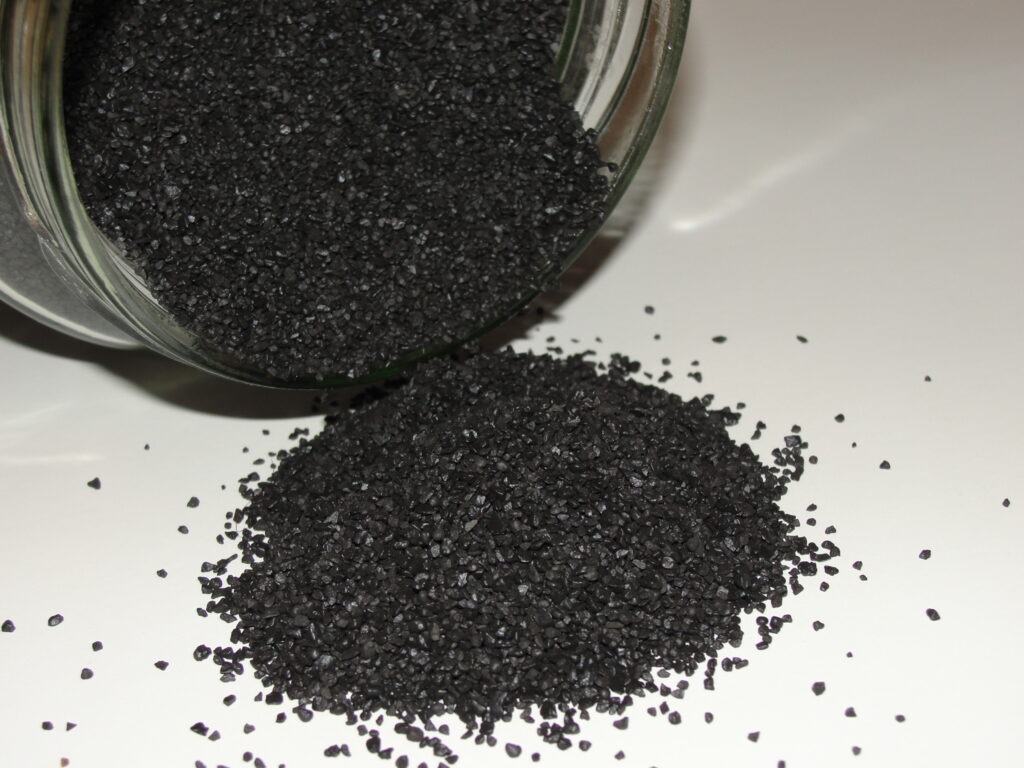
The story of firearms begins in China, where black powder was first developed by Taoist alchemists around the 9th century. Originally used for fireworks and signal flares, Chinese inventors quickly recognized its explosive potential as a weapon. By the 13th century, the first rudimentary firearms — known as fire lances and hand cannons — were being used in battle across Asia and the Middle East.
These early weapons were crude, unreliable, and slow to reload, but they represented a revolutionary shift in how wars would be fought. By the 14th century, hand cannons had made their way to Europe, where gunsmiths began refining the technology at a rapid pace.
The Matchlock and the Birth of the Musket (15th–16th Century)
The 15th century brought the matchlock mechanism — the first true firing system that allowed a shooter to aim and fire with both hands. A lit match cord was held in a clamp and lowered into a flash pan of black powder to ignite the charge. While slow and unreliable in wet conditions, the matchlock musket became the dominant military weapon of the era.
By the 16th century, European armies were fielding entire battalions of musketeers, and firearms had permanently replaced the bow and arrow as the primary ranged weapon of war. The matchlock era also saw the rise of the arquebus — a lighter, more portable firearm that gave infantry soldiers unprecedented firepower on the battlefield.
The Flintlock Era (17th–18th Century)
The flintlock mechanism, developed in the early 17th century, represented a major leap forward in firearm reliability. Instead of a burning match cord, the flintlock used a piece of flint striking a steel plate to generate a spark and ignite the powder charge. This made firearms faster, more reliable, and usable in a wider range of weather conditions.
The flintlock musket became the standard military firearm for over 200 years and played a central role in some of history’s most consequential conflicts — including the American Revolutionary War. The iconic Brown Bess musket carried by both British and American soldiers during the Revolution is one of the most recognized firearms in history.
The Percussion Cap and the Road to Modern Firearms (Early 19th Century)
The invention of the percussion cap in the early 1800s marked the beginning of the end for flintlock firearms. The percussion cap used a small explosive charge housed in a metal cap that detonated when struck by a hammer — making firearms more reliable, faster to load, and far less sensitive to weather conditions.
This innovation paved the way for the development of the first breech-loading firearms and, ultimately, the self-contained metallic cartridge — the same basic technology used in virtually every firearm manufactured today.
The Civil War Era and the Rise of Repeating Firearms (Mid–Late 19th Century)
The American Civil War was a turning point in firearms history. Both Union and Confederate forces entered the war primarily armed with single-shot muzzle-loading rifles, but by the war’s end, repeating firearms were changing the nature of combat entirely.
The Henry rifle — a lever-action repeating rifle capable of firing 16 rounds without reloading — gave Union soldiers a dramatic advantage in firepower. It was the direct predecessor of the famous Winchester rifle, which would go on to become one of the most iconic firearms in American history and earn the nickname the gun that won the West.
The Semi-Automatic Revolution (Late 19th–Early 20th Century)
The late 19th century brought the first semi-automatic pistols and rifles — firearms that used the energy of each fired cartridge to automatically chamber the next round. John Browning, widely regarded as the greatest firearms designer in history, developed some of the most influential semi-automatic designs ever created, including the Colt 1911 pistol — a firearm so well-engineered that it served as the standard US military sidearm for over 70 years.
World War I and World War II accelerated firearms development dramatically, giving rise to submachine guns, automatic rifles, and ultimately the assault rifle — a category of firearm that would define military conflicts for the rest of the 20th century.
Modern Firearms: Precision, Materials, and Technology (Late 20th Century–Present)
Today’s firearms are a testament to centuries of refinement. Modern manufacturing techniques, advanced materials like polymer frames and aircraft-grade aluminum, and precision engineering have produced firearms that are lighter, more reliable, more accurate, and safer than anything that came before.
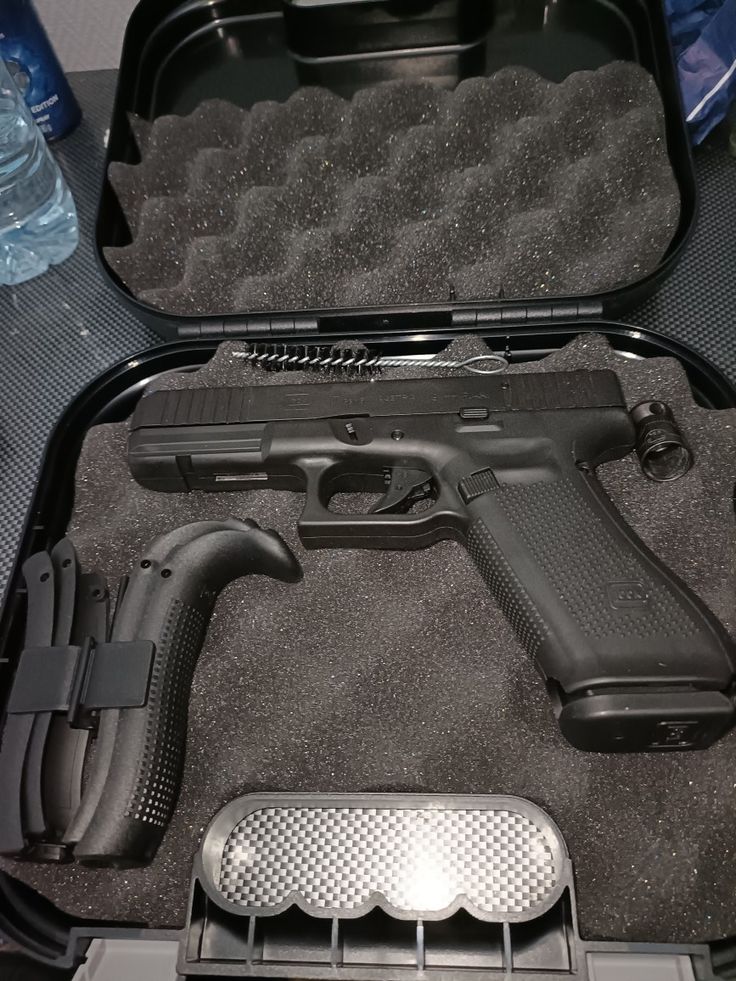
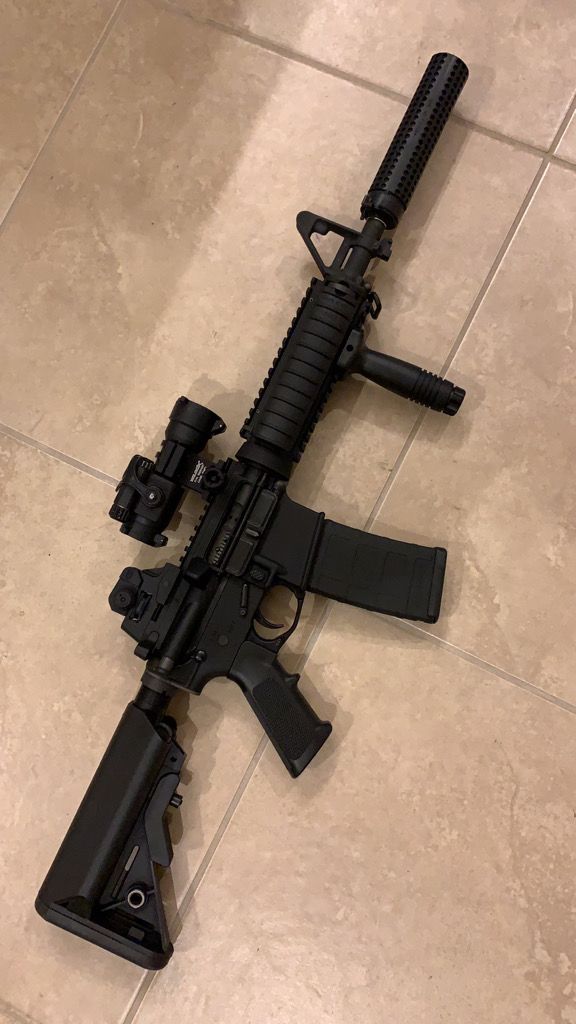
The Glock 17, introduced in 1982, revolutionized the handgun market with its lightweight polymer frame and became the most widely used service pistol in the world. The AR-15 platform, developed in the late 1950s, has become the most popular rifle in America — prized for its modularity, accuracy, and ease of customization.
Today, smart firearm technology, improved optics, and advances in ammunition continue to push the boundaries of what modern firearms are capable of.
The American Firearms Tradition
No country has a deeper or more complex relationship with firearms than the United States. From the Kentucky long rifles of the frontier era to the modern sporting rifles of today, firearms are woven into the fabric of American culture, history, and identity. The Second Amendment — ratified in 1791 — enshrined the right to keep and bear arms as a foundational principle of the American republic, a right that millions of law-abiding Americans exercise responsibly every day.
At The Radical Firearms, we are proud to be part of that tradition. Whether you are building your first collection or adding to an established one, browse our full inventory and find the firearm that is right for you.
Final Thoughts
The history of firearms is the history of human ingenuity. Every firearm in existence today is the product of centuries of innovation, refinement, and engineering. Understanding that history makes you a more informed, more appreciative, and more responsible gun owner.
Have questions about a specific firearm or need help with an FFL transfer? Contact The Radical Firearms team — we are here to help.