
Blog
How to Store Firearms Safely: A Complete Guide for Responsible Gun Owners

Whether you are a first-time buyer or a seasoned collector, safe firearm storage is one of the most important responsibilities that comes with gun ownership. Improper storage is one of the leading causes of firearm accidents, theft, and unauthorized access — all of which are entirely preventable with the right practices in place.
At The Radical Firearms, we believe that arming yourself responsibly means more than just choosing the right firearm. It means keeping it secure, accessible only to you, and stored in a way that protects everyone in your household.
Why Safe Storage Matters
Every year, thousands of firearms are stolen from homes across the United States — many of which end up used in crimes. Beyond theft, unsecured firearms pose a serious risk to children and anyone in your home who should not have access. Before purchasing a firearm, we always recommend checking your state’s requirements, as safe storage laws vary significantly across the country.
1. Invest in a Quality Gun Safe
The single most effective way to store firearms safely is a quality gun safe. When choosing a safe, look for solid steel construction, pry-resistant doors, a fire rating of at least 30 minutes at 1,200°F, and a reliable locking mechanism — biometric, electronic keypad, or combination. For home defense firearms you need quick access to, a bedside quick-access pistol safe keeps your firearm secure but within reach in seconds.
2. Store Ammunition Separately
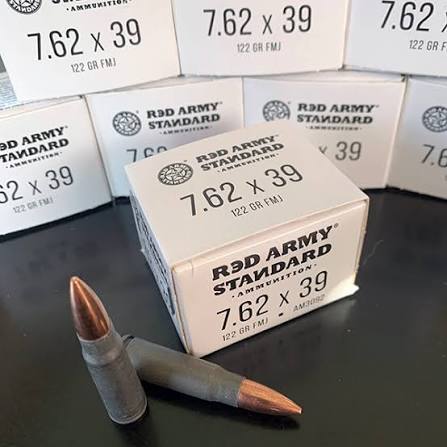
Storing ammunition separately from your firearms adds an additional layer of safety, particularly in homes with children. Keep ammunition in a locked container or a separate compartment within your safe. Looking to stock up? Browse our full ammunition selection — we carry a wide range of calibers for every firearm in your collection.
3. Use Trigger Locks and Cable Locks
For firearms stored outside of a safe, trigger locks and cable locks provide an additional barrier against unauthorized use. These are inexpensive, easy to install, and widely available. The NSSF’s Project ChildSafe program has distributed over 40 million free gun locks to communities across the United States — you may be eligible to receive one at no cost.
4. Keep It Unloaded When Not in Use
Unless a firearm is designated for home defense and stored in a quick-access safe, firearms not in active use should always be stored unloaded. Make it a habit to verify that your firearm is unloaded every single time you handle it, even if you believe it already is.
5. Educate Everyone in Your Household
Safe storage goes hand in hand with education. Every adult in your household should understand basic firearm safety rules. If you have children, age-appropriate education is critical. The ATF provides comprehensive firearm safety guidance that every gun owner should be familiar with before bringing a firearm into the home.
6. Conduct Regular Inventory Checks
Make it a habit to regularly audit your firearm storage. Verify that all firearms are accounted for, that locks and safes are functioning properly, and that no unauthorized access has occurred. If you ever suspect a firearm has been stolen, report it to local law enforcement immediately.
7. Consider a Dedicated Gun Room
For collectors with large inventories, a dedicated gun room with reinforced walls, a heavy-duty vault door, a dehumidifier, and a monitored alarm system offers the highest level of security and helps maintain the condition and value of your collection over time.
Final Thoughts
Safe firearm storage is not optional — it is a core part of responsible gun ownership. Whether you own one handgun for home defense or a full collection of rifles, investing in proper storage protects your family, your community, and your investment.
Have questions about your purchase or need guidance on FFL transfers? Get in touch with our team and we’ll be happy to help.